Introduction to AIS Substation Design Services
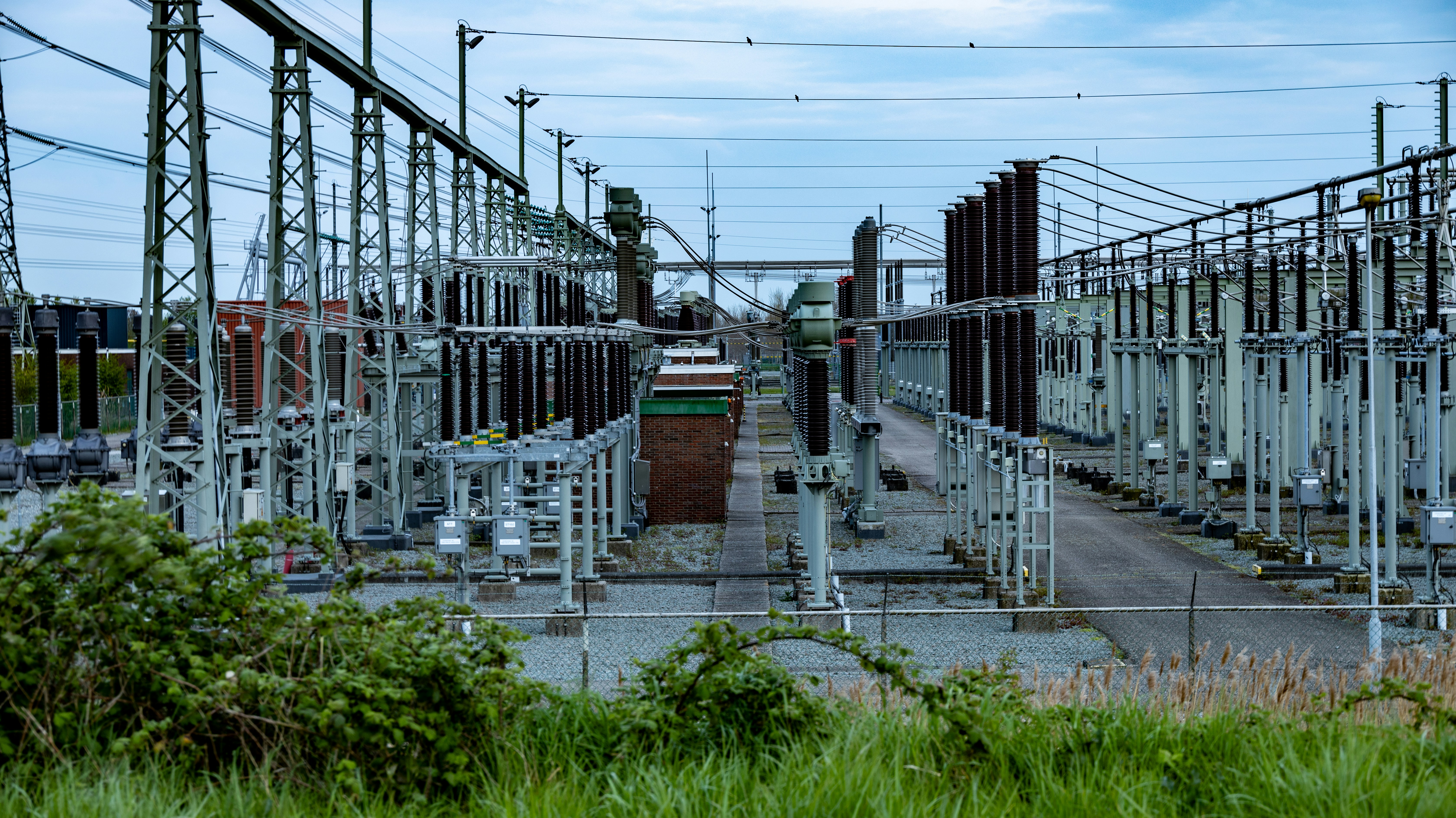
Air-Insulated Substations (AIS) are pivotal components in modern electrical engineering, playing a crucial role in the distribution and transmission of electricity. These substations utilize air as the primary insulating medium, which allows for the efficient management of high-voltage electricity typically up to 400kV. AIS design services encompass a wide range of activities aimed at delivering robust, high-performance solutions tailored to meet the unique requirements of various projects. From the initial planning stages through to implementation and commissioning, AIS design services ensure that electrical infrastructure operates reliably and sustainably.
One of the significant aspects of AIS substation design services is their focus on optimizing the performance and reliability of electrical systems. Effective design can lead to reduced maintenance costs and enhanced safety protocols, ultimately benefiting the utility companies and end-users alike. Moreover, as power demand continues to grow, the importance of creating cost-effective and efficient AIS solutions cannot be overstated. These services address technical specifications, site conditions, and regulatory requirements, ensuring a comprehensive approach that meets project goals.
Several key factors influence AIS substation design, including environmental considerations, spatial constraints, and advancements in technology. Understanding these elements allows engineers to create designs that not only meet current standards but also anticipate future expansion and technological changes. With advancements in renewable energy sources and smart grid technologies, the need for innovative approaches in AIS design is becoming increasingly critical. By addressing these considerations early in the project development phase, stakeholders can ensure the delivery of high-quality electrical facilities that align with contemporary engineering practices.
Site Surveys and Front End Engineering Design (FEED)
The initial phase of any substation project involves comprehensive site surveys and Front End Engineering Design (FEED). This critical process is essential for ensuring that the project is aligned with both technical and regulatory requirements. Site surveys typically include a variety of assessments, such as geographical evaluations, environmental studies, and an examination of regulatory compliance. Conducting thorough geographical evaluations involves assessing the topography of the land and identifying any geological challenges that could affect the construction and long-term operation of the substation. Understanding the land’s characteristics is essential for determining suitable design strategies that will ensure the stability and efficiency of the substation.
Environmental assessments are equally critical, as they evaluate potential impacts of the substation on local ecosystems. This may involve studying flora and fauna, water sources, and air quality. Environmental regulations often mandate certain studies to be conducted to mitigate potential harm to the surrounding ecosystem, making this step a crucial part of the design process. Adherence to these regulations not only ensures compliance but also fosters good relationships with local communities and stakeholders.
Following the site surveys, the FEED documentation is developed. This document serves as a foundational resource for the design and construction phases of the project. The FEED outlines detailed specifications, project deliverables, timelines, cost estimates, and potential risks. It is essential for facilitating clear communication among project stakeholders and establishes a roadmap that guides the project from conception through execution. It ensures that all technical and regulatory aspects have been adequately addressed before moving forward, thus minimizing the likelihood of costly revisions later on. Therefore, effective site surveys and a well-structured FEED are paramount in achieving a successful substation project that meets operational and safety standards.
Electrical Layouts and Elevations
The design of electrical layouts and elevations serves as a critical component in the development of substations, particularly for those operating at voltages up to 400kV. This aspect of substation design not only influences the operational integrity but also plays an essential role in ensuring safety, efficiency, and ease of maintenance. The conceptual and detailed designs of electrical layouts encompass various elements, including equipment placement, clearances, and access routes.
In the context of electrical layouts, space optimization is paramount. Effective utilization of available space can mitigate potential hazards associated with over-crowding, thereby enhancing both safety and maintenance procedures. By strategically positioning electrical equipment such as transformers, circuit breakers, and busbars, designers can ensure that each component operates within its designated parameters while also allowing for adequate airflow and heat dissipation. This consideration is particularly crucial in high-voltage environments, where equipment must be arranged to minimize the risk of electrical arcs and facilitate efficient cooling.
Another essential factor in the detailed design of electrical layouts is equipment location. The placement of electrical components must not only adhere to regulatory standards but also account for the specific operational requirements of the substation. Factors such as accessibility for maintenance personnel, proximity to power sources, and alignment with future expansion plans should all be taken into consideration during the design phase. Elevation drawings further supplement this planning by providing a three-dimensional perspective of the substation layout, allowing engineers and architects to visualize the spatial relationships between various components.
Accessibility is another significant aspect of electrical layout design. It is crucial that maintenance personnel can safely and efficiently reach all essential equipment. Adequate access pathways, as well as clearly defined operational zones, are necessary to facilitate regular inspections and emergency repairs, thereby ensuring the long-term reliability and safety of the substation.
Detailed Design Packages
In the realm of Ais substation design for projects involving voltage levels up to 400kV, detailed design packages serve as the backbone for successful project execution. These packages comprise a variety of critical components, including drawings, specifications, and calculations that collectively facilitate the seamless integration of various design elements.
The blueprint drawings are fundamental components of the design package, providing a visual representation of the layout that encompasses all essential features required for the substation. These engineering drawings typically include floor plans, elevation views, and detailed schematics that outline the placement of equipment and infrastructure. It is crucial that these drawings are precise to ensure that all involved parties have a clear understanding of the project in its entirety, which is essential for effective coordination.
Accompanying the drawings are detailed specifications that outline the materials and standards to be adhered to throughout the construction phase. These specifications cover everything from structural integrity to the electrical performance characteristics required to meet operational demands. The importance of these documents cannot be overstated, as they ensure that the project meets both regulatory requirements and industry best practices.
Moreover, calculation reports form an integral part of the design package, providing the necessary analysis to validate the design choices made. These calculations typically include load flow studies, short circuit analyses, and equipment sizing validations, which help guarantee the substation’s reliability and safety. Effective integration among these various design components—drawings, specifications, and calculations—is vital to achieving a coherent and functional Ais substation, ultimately promoting efficiency during the construction phase and enhancing project execution.
Plant Specifications Development
The development of plant specifications represents a critical component of any substation design project, particularly for projects operating at voltages up to 400kV. These specifications serve as a guiding framework for the procurement of materials and equipment, ensuring that all components are compatible with the overall substation design and project requirements. Crafting detailed and accurate specifications not only facilitates seamless implementation but also helps mitigate risks associated with performance, safety, and regulatory compliance.
To begin with, a comprehensive assessment of the project’s needs is fundamental when establishing plant specifications. This initial evaluation should take into account various factors including the site conditions, environmental constraints, voltage levels, and the operational expectations of the substation. The specifications must also reflect the standards set forth by relevant industry guidelines and regulations, which govern the electrical and structural parameters for the equipment and materials to be utilized.
Common examples of specifications include those for transformers, circuit breakers, switchgear, and protective relaying systems. For instance, when specifying transformers, considerations such as capacity, voltage rating, and cooling methods must be addressed. Similarly, circuit breakers must meet specific performance criteria that align with the expected operational demands. By detailing the technical requirements in structured specifications, stakeholders can effectively communicate their expectations to suppliers and contractors.
Furthermore, incorporating an evaluation process within the plant specifications is paramount, ensuring that selected materials and equipment undergo rigorous testing and quality assurance protocols. This process not only enhances the reliability of the substation design but also ensures longevity and operational efficiency. Overall, well-prepared plant specifications lay the groundwork for a successful project, enabling all parties involved to work collaboratively toward achieving the desired outcomes.
Busbar Design Considerations
Busbars are essential components in substations, serving as a crucial link between various electrical devices. These conductive bars facilitate the distribution of electric currents, ensuring minimal losses and efficient operation. In the context of substation design, comprehensive planning for busbar layout and configuration is vital to achieving optimal performance. A systematic approach to busbar design encompasses various elements, including complete layouts, schedules, and electrical calculations.
The design process begins with the creation of a layout that effectively accommodates current ratings and installation requirements. This layout must consider the busbar’s thermal performance, as excessive heat can lead to inefficient operation and potential failures. To mitigate these risks, thermal management strategies are incorporated into the design phase, ensuring that the busbars can operate within safe temperature limits.
Additionally, the electrical load capacity is paramount when designing busbars. Engineers assess the anticipated loads and ensure that the busbars are adequately sized to handle these demands without exceeding their rated capacity. This careful consideration helps prevent potential overloads and contributes to the overall reliability of the substation.
Mechanical stability is another critical factor in busbar design. The selected materials must be durable enough to withstand environmental stresses, including physical impacts and temperature fluctuations. Furthermore, the connections between the busbars and other electrical components need to be secure, minimizing the risk of mechanical failure.
Ultimately, effective busbar design requires a holistic understanding of electrical engineering principles, thermal dynamics, and material science. By carefully factoring in these elements, substations can achieve a reliable and high-performance electrical infrastructure, paving the way for efficient power distribution and enhanced grid stability.
Construction and Commissioning Support
The construction and commissioning phases of substation projects are critical to ensuring that the facility operates effectively and efficiently. Engaging expert technical support during these stages can significantly mitigate potential challenges that may arise, ranging from site management issues to unexpected technical complications. Knowledgeable professionals play a vital role in overseeing the construction process, ensuring that each element of the substation is installed in accordance with the design specifications. This oversight helps prevent delays and minimizes the risk of costly mistakes that could otherwise arise from improper installation.
Throughout the construction phase, the challenges faced can include coordination among multiple contractors, adherence to safety regulations, and timely procurement of materials and equipment. Ensuring seamless integration of various components is paramount, as each element—from electrical switchgear to supporting structures—must work harmoniously to achieve optimal performance. The presence of seasoned experts on-site allows for real-time problem-solving, ensuring that issues are addressed promptly and that the construction schedule remains intact.
Moreover, during the commissioning phase, technical support is essential for thorough testing and validation of the systems installed. This phase is where the substation is powered up for the first time, and extensive testing is conducted to confirm that all components function as intended. Conducting rigorous testing identifies any potential failures or misalignments, which can be corrected before the system goes live. Furthermore, knowledgeable staff ensures compliance with all regulatory requirements and best practices, further enhancing the safety and reliability of the facility. Their guidance during this critical phase is instrumental in guaranteeing a smooth transition to operational status, ultimately achieving the project’s long-term success.
Specification Compliance and Standards Adherence
Ensuring full adherence to UK grid codes and industry standards is crucial in the design and construction of substations. Compliance with these specifications is not only a requirement but also a fundamental aspect that influences the safety, reliability, and efficiency of electrical systems. Among the key standards applicable to substation design are the Institution of Electrical Engineers (IEE) regulations, the British Standards (BS), and the International Electrotechnical Commission (IEC) standards. Each of these sets guidelines that help in achieving operational excellence and safety.
The design process must integrate these standards from the inception stage to ensure all specifications are met throughout the project’s lifecycle. This involves thorough planning and collaboration among engineers, architects, and project managers. By adhering to established protocols and best practices, project teams can mitigate risks associated with electrical installations and enhance operational longevity.
To ensure compliance, rigorous testing and validation processes need to be implemented. This may include simulations, inspections, and third-party evaluations to confirm that all designs meet the necessary requirements. Documentation plays a key role in this phase, as maintaining detailed reports and records of compliance can safeguard a project against potential legal issues, financial penalties, or safety hazards that may arise due to non-compliance.
The implications of failing to adhere to these standards can have significant repercussions. It may lead to operational inefficiencies, increased maintenance costs, and even project delays. Moreover, non-compliance can jeopardize safety by increasing the likelihood of electrical failures, potentially resulting in catastrophic incidents. Thus, thorough understanding and application of relevant standards are paramount for stakeholders involved in substation design projects, particularly for those aimed at high voltage levels up to 400kV.
Conclusion and Future Outlook
In summary, the importance of Air Insulated Switchgear (AIS) substation design services cannot be overstated when it comes to establishing reliable and efficient electrical infrastructure, especially for projects up to 400kV. Throughout this discussion, we have highlighted essential aspects, including the fundamental principles of AIS technology, the benefits it offers over other designs, and the critical considerations for successful implementation. These elements are vital in ensuring the optimized performance of power systems and addressing the growing demands placed upon electrical grids.
Additionally, as the energy sector continues to evolve, we are witnessing emerging trends that are shaping the future of substation design. Innovations such as digital substations, automation, and the integration of renewable energy sources demand a reevaluation of existing design paradigms. Furthermore, advancements in technology, like smart grid solutions and enhanced monitoring systems, are paving the way for improved operation and maintenance of substations, increasing both their reliability and efficiency.
As we move forward, it is crucial for engineers and designers to stay abreast of these developments, ensuring that their AIS substation designs incorporate the latest technologies and practices. This adaptability will not only enhance the resilience of energy infrastructure but also support sustainable growth in line with global energy transition goals. By investing in comprehensive AIS substation design services, stakeholders can better prepare for the future—one that emphasizes smart, flexible, and environmentally friendly electrical systems tailored to meet the challenges of an increasingly dynamic energy landscape.