Introduction to Technical Due Diligence
Technical due diligence is an essential process that plays a critical role in the evaluation and endorsement of primary substation designs. This procedure serves as a thorough assessment mechanism, ensuring that the planned technical specifications align with industry standards and regulatory requirements. By conducting this rigorous analysis, stakeholders can identify potential risks and shortcomings in the proposed designs well in advance, thereby mitigating costly rectifications later in the project lifecycle.
The practice of technical due diligence involves a multi-faceted approach, engaging various disciplines, including engineering assessments, regulatory compliance checks, and risk management. The primary objective is to ensure that the design is not only functionally sound but also adheres to pertinent safety and operational guidelines. Importantly, this due diligence process allows stakeholders to evaluate the effectiveness and reliability of technologies and methodologies proposed by external parties, fostering informed decision-making.
One of the key advantages of implementing technical due diligence is its role as a preventive measure against potential design flaws. By identifying weaknesses in the designs early, project teams can initiate corrective actions promptly. This proactive stance benefits all parties involved, reducing delays, unforeseen expenses, and the likelihood of project failure. Moreover, a thorough technical review instills confidence among stakeholders, including investors and regulatory bodies, assuring them that all necessary precautions have been taken to optimize performance and safety.
Overall, technical due diligence is not merely a procedural formality; it is a fundamental component of successful substation design projects. By valuing this process, organizations can enhance the quality of their engineering designs, ultimately leading to reliable and efficient power delivery. Investing time and resources into technical due diligence reflects a commitment to excellence and operational integrity within the energy sector.
The Role of Design Reviews
Design reviews are a pivotal component of the substation design process, serving as a systematic examination to validate the engineering accuracy and compliance of proposed designs with applicable regulatory requirements. During these reviews, multidisciplinary teams assess various aspects of the substation design, ensuring that all design components function effectively together while meeting both industry standards and client expectations.
Typically, a design review is conducted at multiple stages throughout the design process, which allows for early identification and mitigation of potential issues. This iterative approach is critical, as it enables teams to incorporate feedback and make necessary adjustments before the design progresses to subsequent phases. Regular design reviews not only enhance the overall quality of the substation design, but they also ensure alignment with safety protocols and operational requirements.
The individuals involved in design reviews often include project engineers, compliance specialists, and subject matter experts. Their collective expertise allows for a comprehensive evaluation of the design, focusing on areas such as electrical performance, structural integrity, and environmental considerations. The criteria used during these reviews encompass a range of factors including adherence to engineering best practices, conformity with relevant codes and standards, and an assessment of potential risks associated with the design.
Furthermore, the design review process contributes significantly to the overall risk management strategy of substation projects. By rigorously assessing designs, teams can identify vulnerabilities and propose alternative solutions, enhancing the resilience of the final product. In essence, design reviews act as a safeguard, ensuring that substation designs not only meet regulatory expectations but also function effectively within the complexities of the electrical grid. This collaborative and thorough approach is vital for delivering high-quality, reliable substation systems.
Ensuring Engineering Accuracy
In the realm of substation designs, ensuring engineering accuracy is paramount for the successful implementation and operation of electrical systems. Engineering accuracy encompasses various facets such as calculations, schematics, and compliance with established industry standards. Accuracy is critical not only for safety and efficiency but also for minimizing the risk of costly errors during installation and operation.
The first step in verifying engineering accuracy involves rigorous mathematical calculations. Engineers must ensure that load calculations, voltage drop assessments, and short-circuit analyses are conducted meticulously. These calculations form the backbone of the design, allowing for the precise determination of component specifications and system performance. Utilizing advanced software tools can further enhance the accuracy of these calculations by reducing human error and allowing for rapid adjustments based on design changes.
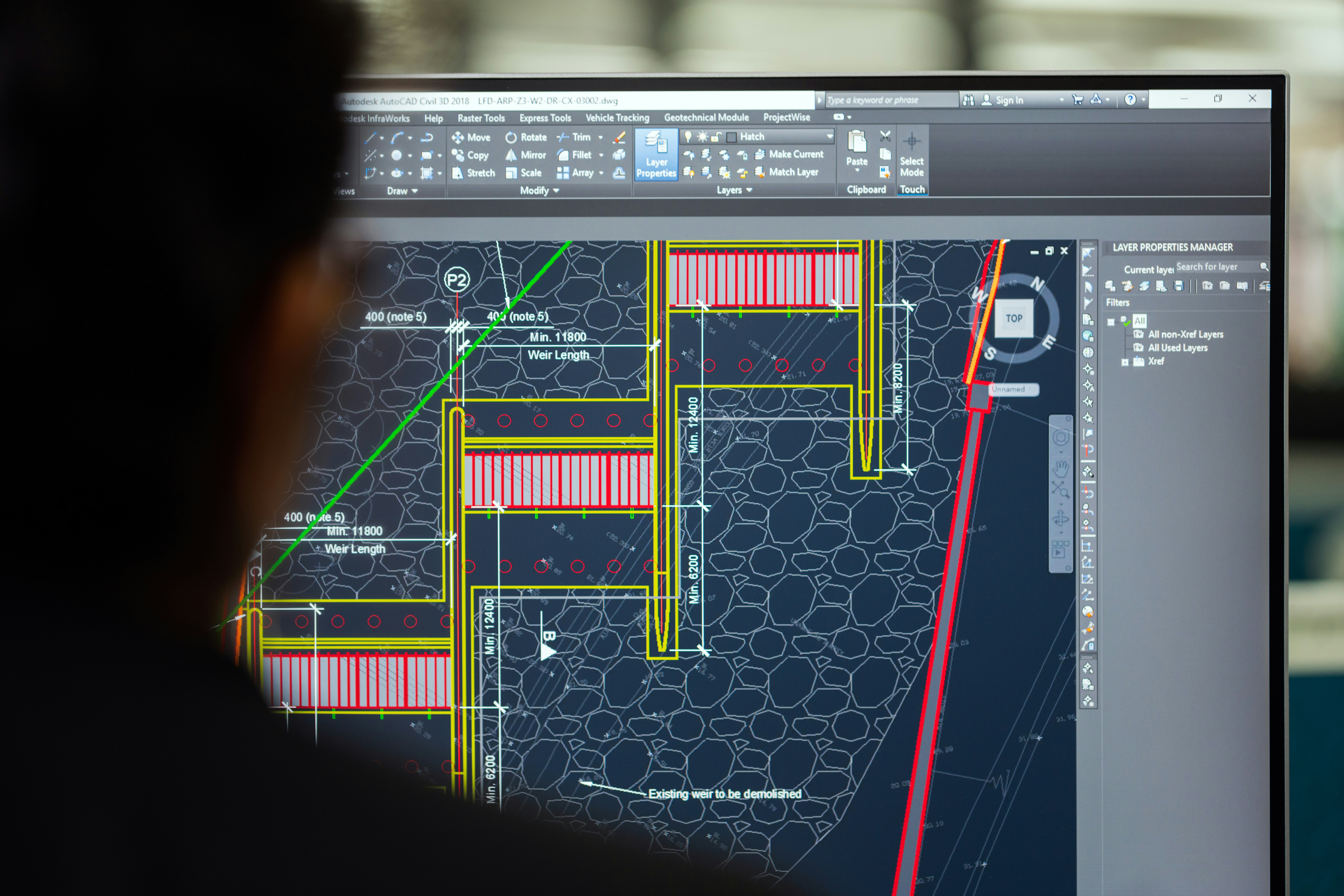
Another vital component is the creation of detailed schematics. Schematics serve as the visual blueprint of the substation design, showing the interconnections between various components, including transformers, switchgear, and control systems. It is essential that these diagrams are accurate and conform to standardized symbols and conventions. A well-crafted schematic not only aids in the construction and installation of the equipment but also provides a critical reference for maintenance and troubleshooting in the future.
Compliance with established engineering standards is non-negotiable in ensuring engineering accuracy. These standards, set by organizations such as the Institute of Electrical and Electronics Engineers (IEEE) and the National Electrical Manufacturers Association (NEMA), provide guidelines for best practices and help ensure that designs meet regulatory requirements. Adhering to these standards aids in the reliability and interoperability of the systems, contributing to overall project success.
Through meticulous calculations, precise schematics, and strict adherence to engineering standards, professionals can verify engineering accuracy in substation designs effectively. This attention to detail not only facilitates the seamless functioning of electrical systems but also protects against potential operational failures.
Regulatory Compliance and Industry Best Practices
In the realm of substation design, regulatory compliance is paramount to ensure the safety, reliability, and efficiency of electrical systems. Local, national, and international regulations shape the standards adhered to throughout the design process. These regulations are designed to protect both the environment and public safety, necessitating a thorough understanding by all stakeholders involved in substation projects.
At the local level, utility companies must frequently comply with municipal codes and zoning laws that govern land use and infrastructure development. These stipulations often dictate the physical placement, construction methods, and operational aspects of substations. On a national scale, entities such as the Federal Energy Regulatory Commission (FERC) and the National Electrical Safety Code (NESC) establish critical guidelines that engineers and designers must integrate into their work. Meanwhile, international standards promulgated by organizations such as the International Electrotechnical Commission (IEC) further outline essential criteria that are especially relevant for projects with global implications.
Ensuring compliance with these regulations is not merely a legal obligation; it also reflects industry best practices aimed at fostering systemic safety and operational reliability. Therefore, the adoption of rigorous safety standards, such as those provided by the Occupational Safety and Health Administration (OSHA), is non-negotiable during the design and construction phases. These guidelines help mitigate risks associated with electrical installations and routine maintenance activities within substations.
Moreover, fostering a culture of accountability and continuous improvement is essential. This encompasses conducting regular training and assessments to keep abreast of technological advancements and evolving regulations. Implementing comprehensive design reviews can facilitate alignment with these standards, ensuring substations are configured to meet both regulatory demands and operational effectiveness. By adhering to these best practices, designers contribute to the sustainability and resilience of electrical infrastructures, ultimately safeguarding public and environmental well-being.
Identifying Risks in Substation Designs
Technical due diligence plays a vital role in identifying potential risks and inefficiencies associated with substation designs. By conducting an independent evaluation, stakeholders can gain insights into the underlying issues that may impede project success. One of the common risks in substation designs is inadequate load forecasting, which can lead to capacity constraints and unplanned outages. This highlights the importance of incorporating accurate data analysis during the design phase to ensure that the substation meets future demand.
Another prevalent issue is the improper selection of equipment. For instance, miscalculations in selecting transformers, circuit breakers, or switchgear can result in suboptimal performance and increased maintenance costs. To mitigate these risks, it’s essential to engage in thorough equipment evaluation and validation processes, allowing project managers to make informed decisions regarding specifications and procurement.
Moreover, poor integration of safety and environmental considerations in design processes may lead to compliance challenges and costly rectifications. Ensuring that the substation design adheres to regulatory frameworks and industry standards is crucial. Techniques such as risk assessments and failure mode analysis can help identify areas of concern early in the design process, allowing for proactive adjustments.
Another significant concern is the possibility of design inefficiencies due to a lack of collaboration among multidisciplinary teams. To address this, fostering effective communication between engineers, environmental specialists, and project stakeholders is essential. Utilizing tools such as Building Information Modeling (BIM) can enhance collaborative efforts, enabling teams to visualize potential conflicts and make necessary design amendments before construction begins.
By understanding and identifying these risks early on through technical due diligence, stakeholders can implement strategies that enhance the reliability, efficiency, and safety of substation designs, ensuring a smoother project realization and reducing potential setbacks during implementation.
Recommendations for Improvement
In the context of technical due diligence and design reviews for substation designs, providing actionable recommendations is a crucial component aimed at enhancing project outcomes. The process begins with a thorough analysis of the design documentation, field inspections, and risk assessments. By meticulously examining these elements, potential deficiencies or areas for improvement can be identified. This initial assessment serves as the foundation for generating recommendations that not only adhere to industry standards but also address any unique challenges presented by the specific project.
Once the weaknesses have been pinpointed, it is essential to categorize the recommendations according to their potential impact on safety and operational efficiency. For example, if a design review highlights inadequacies in the protective relay settings, a recommendation could involve recalibrating the settings or deploying advanced protection schemes. Additionally, suggestions may encompass the incorporation of more robust materials to improve the longevity and reliability of structural components. These tailored recommendations should be specific, measurable, and feasible, allowing project stakeholders to implement them effectively.
Furthermore, collaboration among engineers, project managers, and safety professionals is imperative when formulating these recommendations. Engaging diverse perspectives allows for a comprehensive evaluation of the design and fosters innovative solutions. Stakeholder feedback ensures that the recommendations are realistic and aligned with the project’s objectives. Evaluation metrics should also be established to measure the effectiveness of the implemented recommendations over time, facilitating ongoing improvements to the substation design. Hence, through targeted recommendations based on thorough design reviews and risk assessments, substation systems can be improved, resulting in safer, more reliable, and efficient operations.
Optimized Performance of Electrical Systems
Technical due diligence and design reviews play a critical role in ensuring the optimized performance of electrical systems, particularly in the context of substation designs. A systematic and thorough approach to these reviews is fundamental to identifying potential issues and enhancing the overall reliability of the systems. Reliability refers to the ability of electrical components and systems to function consistently over time, minimizing the risk of unanticipated failures that could lead to substantial operational disruptions.
Incorporating safety considerations into design reviews further bolsters the optimized performance of electrical systems. By evaluating hazard assessments, risk management strategies, and adherence to safety standards throughout the design phase, engineers can proactively address safety gaps. This not only protects personnel but also safeguards the integrity of electrical assets. Safety audits that emerge from these design reviews help in pinpointing design flaws or procedural inefficiencies, thus empowering organizations to implement corrective measures timely.
Operational performance metrics, including efficiency, load handling capacity, and response times, are greatly influenced by the diligence applied during the review process. When engineers conduct in-depth evaluations of load forecasts and equipment specifications, it contributes to the overall operational efficiency of the substations. High-performance electrical systems must not only meet prescribed standards but exceed them to accommodate fluctuations in demand and unexpected operational challenges. Consequently, effective technical due diligence during the design phase ensures that systems are optimized to handle real-world conditions seamlessly.
Overall, the integration of comprehensive technical due diligence and meticulous design reviews establishes a framework that enhances the operational efficiency, reliability, and safety of electrical systems. The positive impact of these reviews on systems performance cannot be overstated, as it ultimately contributes to sustainable and efficient energy distribution.
Case Studies in Technical Due Diligence
Examining various case studies regarding technical due diligence in substation projects reveals how these practices have played a crucial role in ensuring regulatory compliance and performance optimization. One notable example is the technical due diligence process undertaken for a high-voltage substantiation project in California. In this case, a multidisciplinary team conducted comprehensive design reviews, assessing electrical, mechanical, and structural components against industry standards. The review identified potential challenges in equipment selection and grid integration, leading to modifications that enhanced reliability and compliance with local regulations.
Another case involves a substation renovation project in Texas, where an intensive design review enabled the team to uncover inefficiencies in the original electrical layout. The meticulous examination spotlighted areas that were susceptible to power loss during peak periods. By implementing technological upgrades based on the due diligence findings, the project improved the overall power dissemination and significantly increased the substation’s resiliency against outages. This case highlights the importance of conducting thorough reviews to mitigate risks and facilitate seamless operations.
The lessons drawn from these experiences underscore the value of an iterative approach to technical due diligence and design reviews. For instance, integrating stakeholder feedback during the investigation phase can lead to more informed decisions and a proactive stance in addressing potential issues. Additionally, these case studies demonstrate that adopting a holistic view during assessments can unveil deeper insights into project viability and regulatory conformity. Consequently, organizations are encouraged to prioritize these evaluations in their project timelines. By doing so, they can foster a culture of continuous improvement within their operational practices, ultimately leading to enhanced performance across substation designs.
Conclusion and Future Trends
In the realm of substation designs, technical due diligence and design reviews serve as critical components to ensure that projects transition smoothly from the planning phase to execution. Key takeaways from this discussion highlight the importance of a thorough evaluation of technical documents, compliance with regulatory standards, and the necessity of interdisciplinary collaboration. These elements are vital for mitigating risks and ensuring the integrity of electrical systems that underpin modern infrastructure.
Looking forward, the landscape of technical due diligence is poised for significant evolution. Advancements in technology and engineering methodologies are expected to reshape the way due diligence is conducted. For instance, the integration of digital tools, such as Building Information Modeling (BIM) and enhanced simulation software, will likely facilitate a more seamless review process. These tools enable teams to visualize projects in three dimensions, assess various design scenarios, and identify potential issues before they arise in the field.
Moreover, as the industry embraces data analytics, the ability to leverage historical data for predictive modeling will become increasingly sophisticated. By utilizing this approach, engineering teams can enhance their decision-making processes, thereby improving the accuracy of technical due diligence efforts. Additionally, the rising trend toward sustainable design practices and renewable energy sources will impose new considerations in the design review process. As substations adapt to integrate renewable technologies, due diligence will necessitate a robust understanding of new energy systems and grid interactions.
In conclusion, as the engineering field progresses, the methodology governing technical due diligence and design reviews must also adapt. By harnessing innovative technologies and fostering collaboration, stakeholders can ensure robust project execution while meeting the demands of an ever-evolving energy landscape. Such proactive approaches will be instrumental in navigating the complexities of future substation designs, ultimately enhancing operational reliability and efficiency.